Sarah was the definition of a high performer. She consistently exceeded targets, volunteered for extra projects, and prided herself on being the first to arrive and last to leave. Then one Monday morning, she couldn’t get out of bed. Not because she was physically ill, but because the thought of going to work filled her with overwhelming dread. She’d hit burnout—and she hadn’t seen it coming.
Burnout doesn’t happen overnight. It’s the cumulative result of chronic workplace stress that hasn’t been adequately managed. The World Health Organization officially recognizes burnout as an occupational phenomenon, and its prevalence has skyrocketed in recent years. But here’s the good news: burnout is preventable when you recognize the warning signs and take proactive steps to protect your well-being.
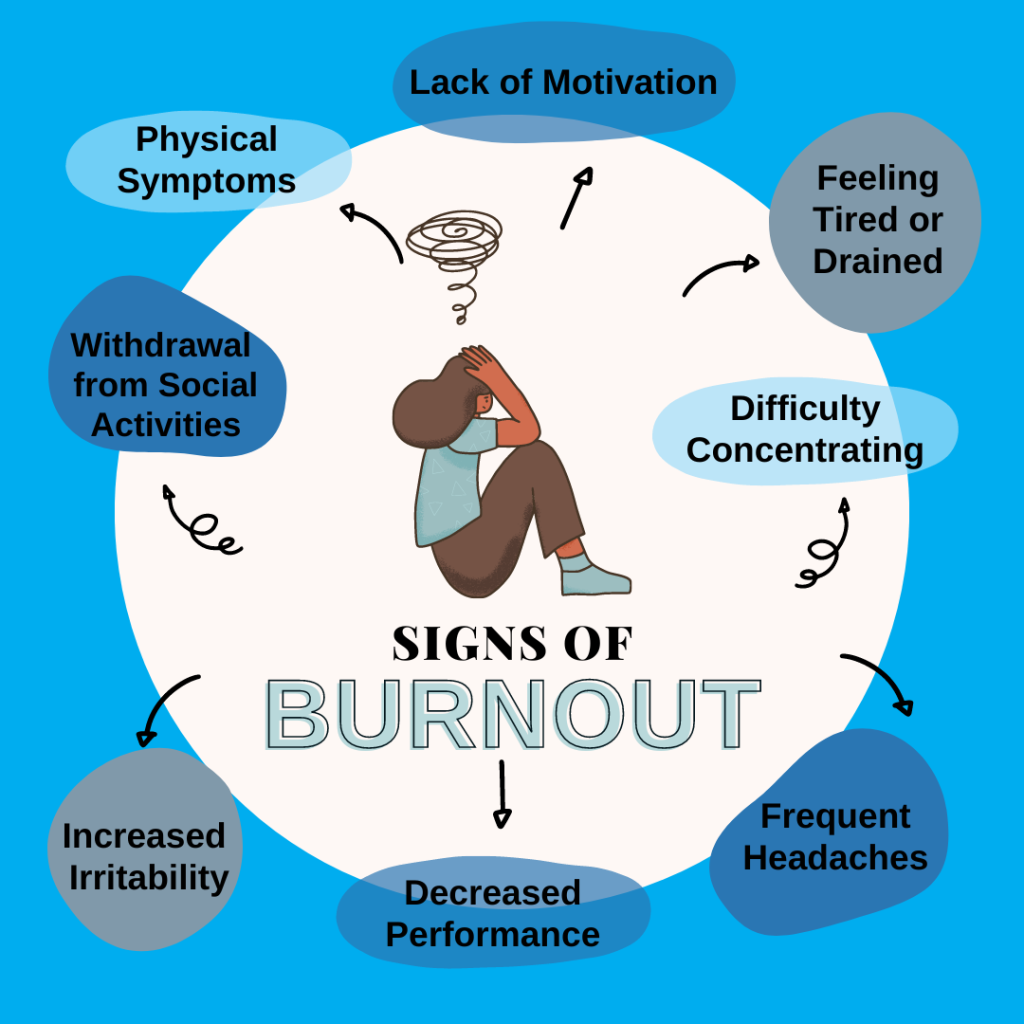
Burnout warning signs stress and exhaustion at work
Understanding Burnout
Burnout is more than just exhaustion. It’s a state of emotional, physical, and mental exhaustion caused by prolonged exposure to high levels of stress. While stress can be motivating in short bursts, chronic stress without adequate recovery leads to burnout.
The three core dimensions of burnout are:
Exhaustion: Physical and emotional depletion that doesn’t improve with normal rest. You feel drained even after a full night’s sleep or weekend off.
Cynicism and detachment: Growing negativity toward your work, colleagues, or the organization. You feel disconnected from the purpose that once motivated you.
Reduced efficacy: Declining sense of competence and achievement. Despite working harder, you feel less effective and question your abilities.
Warning Signs You’re Heading Toward Burnout
Recognizing early warning signs allows you to intervene before reaching full burnout.
Physical Symptoms
- Chronic fatigue that persists despite rest
- Frequent headaches or muscle tension
- Changes in sleep patterns (insomnia or oversleeping)
- Weakened immune system leading to frequent illness
- Digestive issues or changes in appetite
- Unexplained aches and pains
Emotional Symptoms
- Feeling overwhelmed or helpless
- Increased irritability or impatience
- Lack of motivation or enthusiasm
- Sense of failure or self-doubt
- Detachment or numbness
- Decreased satisfaction and sense of accomplishment
Behavioral Symptoms
- Withdrawing from responsibilities
- Isolating from others
- Procrastinating or taking longer to complete tasks
- Using food, drugs, or alcohol to cope
- Taking frustrations out on others
- Skipping work or coming in late
Mental Symptoms
- Difficulty concentrating or remembering
- Decreased productivity despite working more hours
- Negative or cynical outlook
- Loss of creativity and problem-solving ability
- Inability to think clearly or make decisions
If you’re experiencing several of these symptoms persistently, it’s time to take action. Maintaining healthy work-life balance is essential for preventing these symptoms from escalating.
Strategies to Prevent Burnout
1. Set and Maintain Boundaries
Define your work hours and stick to them. Just because you can work anytime doesn’t mean you should. Establish clear start and end times, then honor them consistently.
Turn off notifications after hours. The expectation of constant availability fuels burnout. Unless you’re in a truly on-call role, you don’t need to respond to work communications during personal time.
Create physical boundaries. If you work from home, designate a specific workspace that you can leave at day’s end. Don’t work from bed or personal relaxation spaces.
Communicate your boundaries clearly. Let colleagues and managers know when you’re available and when you’re not. Most people respect well-communicated boundaries.
2. Prioritize Self-Care
Self-care isn’t selfish—it’s essential for sustaining performance over the long term.
Maintain a consistent sleep schedule. Aim for 7-9 hours nightly. Sleep deprivation compounds stress and accelerates burnout. Create a relaxing bedtime routine and keep your bedroom cool, dark, and quiet.
Exercise regularly. Physical activity reduces stress hormones, improves mood, and increases energy. Even 20-30 minutes of moderate exercise most days makes a significant difference.
Eat nutritious meals. Proper nutrition supports both physical and mental health. Plan and prep meals when possible to avoid relying on convenience foods during busy times.
Practice stress management techniques. Find what works for you—meditation, deep breathing, yoga, journaling, or time in nature. Regular practice builds resilience against stress.
3. Manage Your Workload Proactively
Learn to say no. You can’t do everything. Evaluate new requests against your current capacity and priorities before committing. A polite “I don’t have bandwidth for that right now” is a complete answer.
Delegate when possible. You don’t need to do everything yourself. Delegating appropriate tasks develops others’ skills and frees you to focus on high-priority work.
Break large projects into smaller tasks. Overwhelming projects paralyze progress. Breaking them into manageable steps creates forward momentum and reduces anxiety.
Use effective time management. Implement time management tips to work more efficiently and create space for recovery.
4. Take Regular Breaks
Schedule breaks throughout your day. Step away from your desk every 90 minutes. Even a 5-minute walk or stretch break provides mental refreshment.
Actually take your lunch break. Eating at your desk while working isn’t a break. Leave your workspace, ideally go outside if weather permits, and give your mind a true reset.
Use your vacation time. Unused vacation time is a warning sign of impending burnout. Taking time completely away from work is essential for long-term sustainability.
Build mini-breaks into your routine. Between meetings or tasks, take 2-3 minutes to breathe deeply, stretch, or simply look away from screens.
5. Find Meaning and Purpose
Connect with your “why.” Why does your work matter? Who does it help? Regularly reconnecting with the purpose behind your work can renew motivation during difficult periods.
Align work with your values. When your daily activities conflict with your core values, dissatisfaction and burnout accelerate. Seek opportunities to align your work more closely with what matters most to you.
Celebrate small wins. Don’t wait for major milestones to acknowledge progress. Recognizing small achievements along the way maintains motivation and perspective.
Seek variety. If possible, vary your tasks and responsibilities to prevent monotony. Engaging different skills and facing new challenges keeps work interesting.
6. Build Strong Social Connections
Maintain relationships outside work. Friends and family provide emotional support and remind you of your identity beyond your professional role. Prioritize time with people who energize you.
Foster positive workplace relationships. Supportive colleagues make difficult work more manageable. Invest in building genuine connections with coworkers.
Don’t isolate when stressed. The temptation to withdraw when overwhelmed is strong, but isolation worsens burnout. Reach out to trusted friends, family, or professionals.
Join communities around personal interests. Hobbies and interests outside work provide balance, stress relief, and a sense of identity beyond your job.
7. Seek Professional Support When Needed
Consider therapy or counseling. Working with a mental health professional provides tools for managing stress, processing difficult emotions, and developing healthier coping strategies.
Talk to your manager. If workload, role ambiguity, or organizational issues contribute to your burnout risk, have an honest conversation with your manager. Many are willing to help when they understand the problem.
Use employee assistance programs. Many employers offer confidential counseling services, stress management resources, and other support through EAPs.
Consult your doctor. Physical symptoms of burnout sometimes require medical attention. Your healthcare provider can rule out other conditions and provide appropriate treatment.
8. Reevaluate When Necessary
Sometimes the job isn’t sustainable. If you’ve implemented multiple strategies and still experience chronic stress and burnout symptoms, the role itself may be the problem. Toxic work cultures, unrealistic expectations, or fundamental misalignment between the job and your values sometimes require changing positions or organizations.
Know when to make a change. Staying in a situation that consistently undermines your health isn’t sustainable. While changing jobs is a significant decision, your well-being must be the priority.

Preventing workplace burnout self-care and boundaries
Creating a Burnout Prevention Plan
Develop your personalized plan using these steps:
Assess your current state. Honestly evaluate your stress levels, work-life balance, and burnout warning signs. Where are you most vulnerable?
Identify your top 3 risk factors. What aspects of your work or life most contribute to stress? Long hours? Lack of boundaries? Insufficient social support?
Choose 2-3 prevention strategies. Select strategies that directly address your primary risk factors. Start small—you can add more as habits develop.
Schedule specific actions. Make your prevention plan concrete. “Exercise more” is vague; “Walk 30 minutes during lunch on Monday, Wednesday, and Friday” is actionable.
Review and adjust monthly. Set a recurring reminder to assess what’s working and what needs modification. Prevention is an ongoing practice, not a one-time fix.
The Path Forward
Burnout prevention isn’t about eliminating all stress—some stress is inevitable and even beneficial. It’s about managing stress effectively, building resilience, and creating a sustainable approach to work that supports both performance and well-being.
Remember that preventing burnout is ultimately about maintaining a healthy work-life balance. When you protect time for rest, relationships, and activities that restore your energy, you’re not neglecting your career—you’re sustaining it for the long haul.
Combined with strong wellness and productivity habits, these burnout prevention strategies create a foundation for a fulfilling, sustainable career that enhances rather than diminishes your quality of life.
Take the first step today: Identify one warning sign you’re currently experiencing and one prevention strategy you’ll implement this week. Small, consistent actions compound into significant positive change over time.